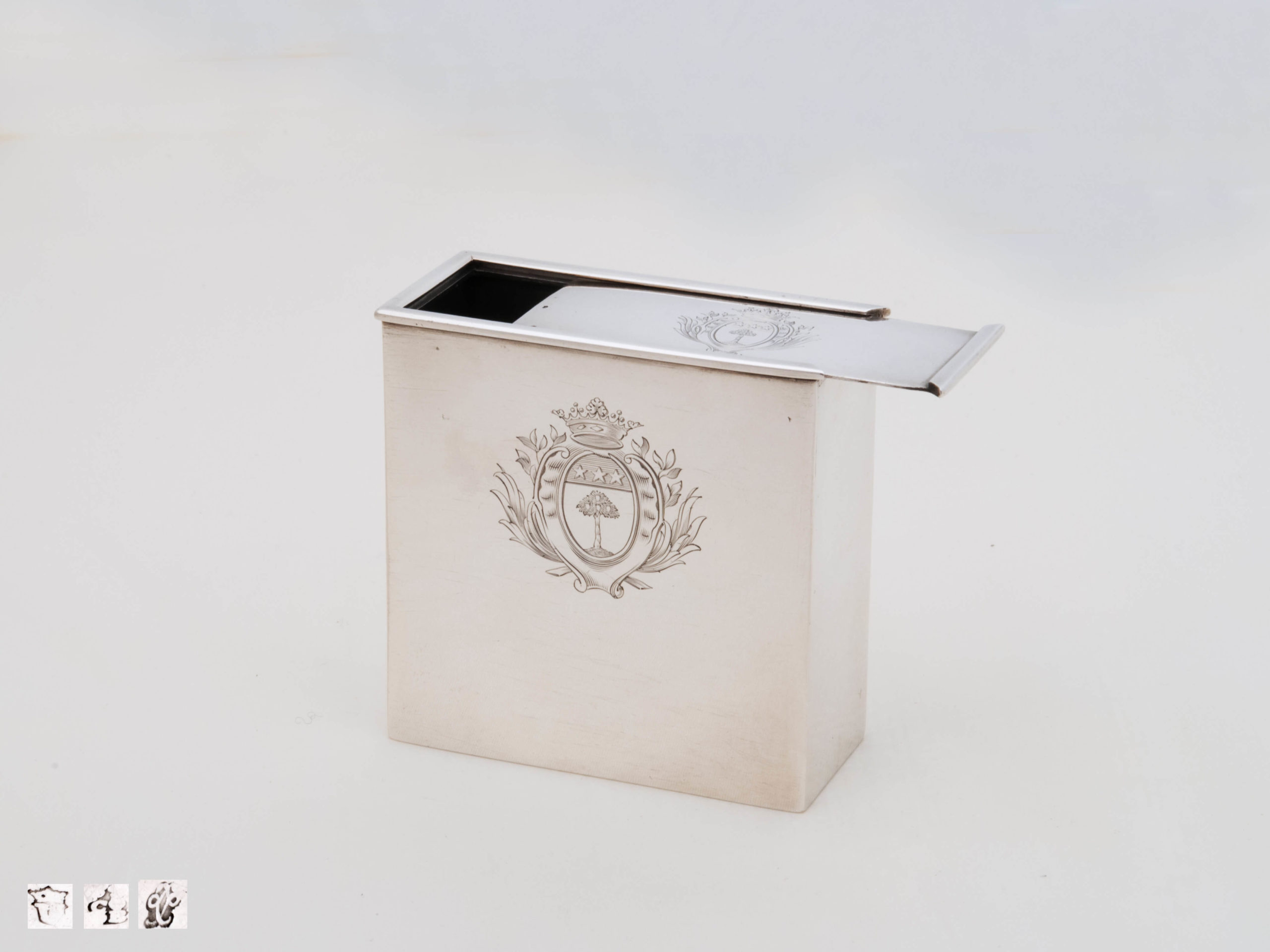
French Tea Caddy, Silver
This tea caddy is a simple and elegant object of French silver. It was made in 1783/4 in Paris by the silversmith Claude-Isaac Bourgoin....


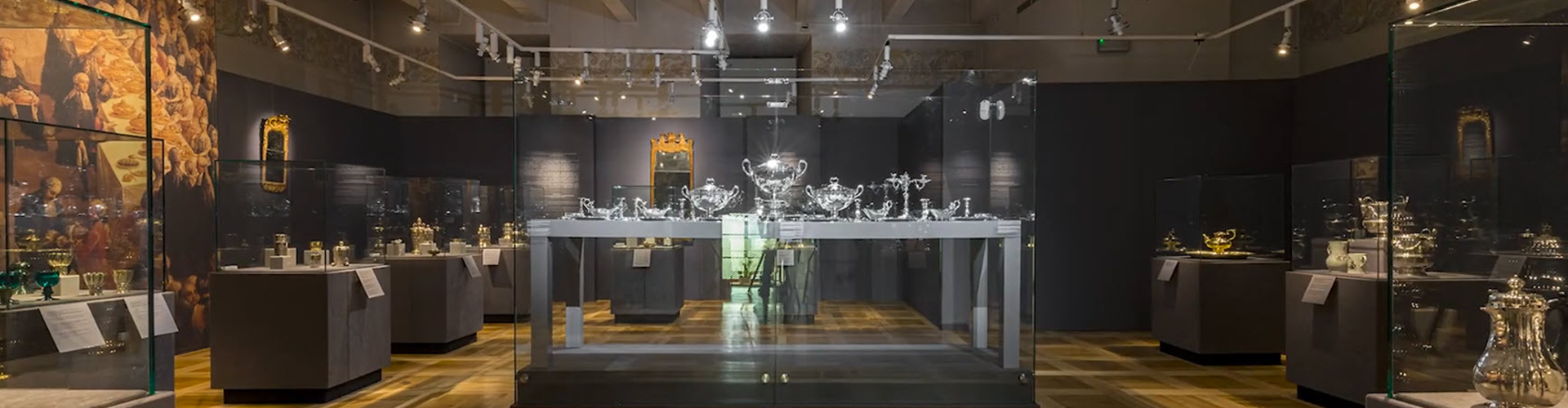
This tea caddy is a simple and elegant object of French silver. It was made in 1783/4 in Paris by the silversmith Claude-Isaac Bourgoin....
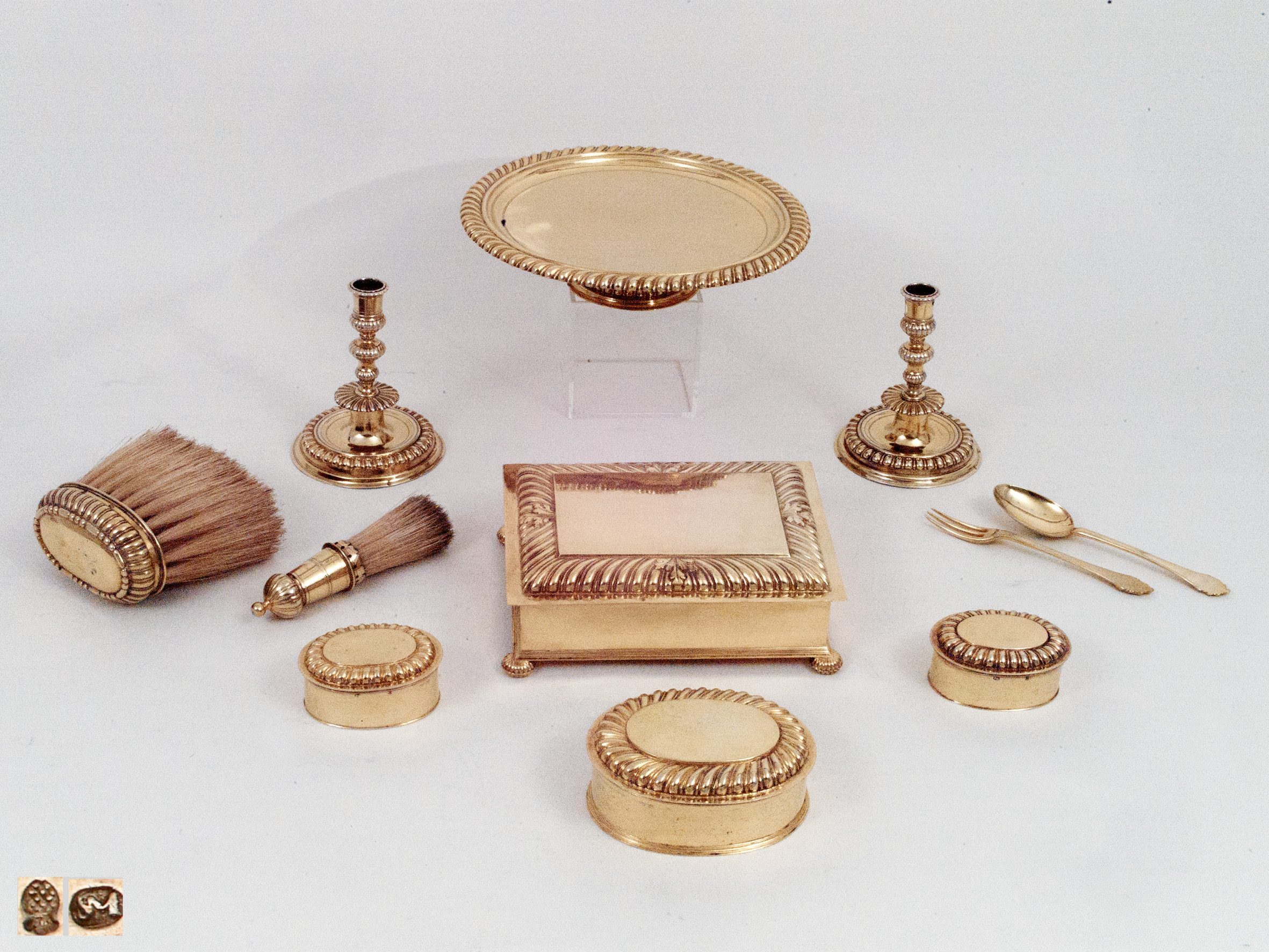
This set of objects, silver-gilt, originate from a toilette service, made in Augsburg, at the beginning of the eighteenth century....
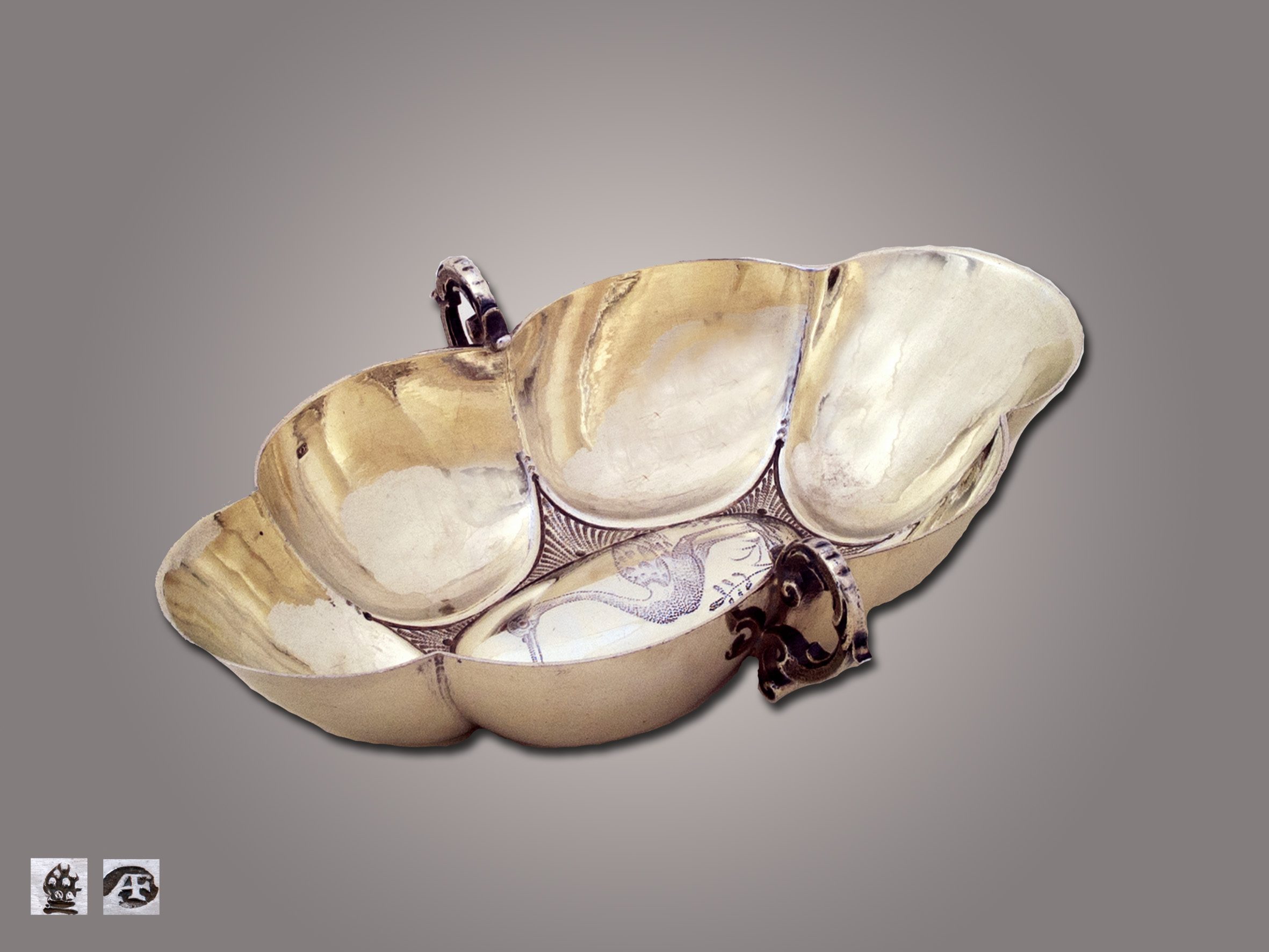
This silver gilt drinking bowl was made in Augbsurg (Germany) in the early seventeenth century by the maker Adam Forster. It has a wonderful engraving....
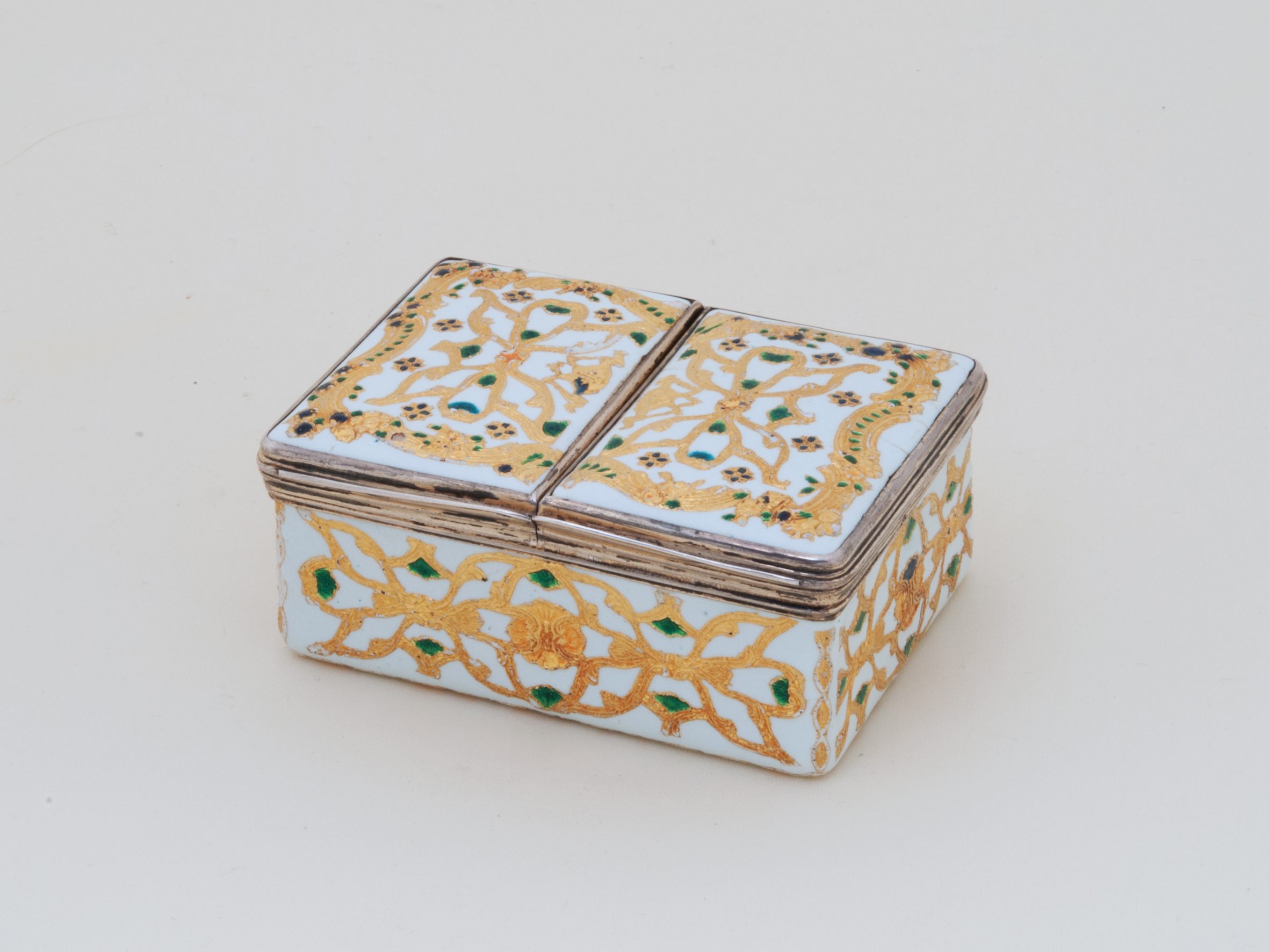
In the early eighteenth century, French snuff boxes (tabatières) made of gold and enamel or of other precious materials, were quite fashionably in Germany. Boxes, namely snuff boxes, which are decorated like this present one, are usually attributed to the workshop of the Huguenot Pierre...
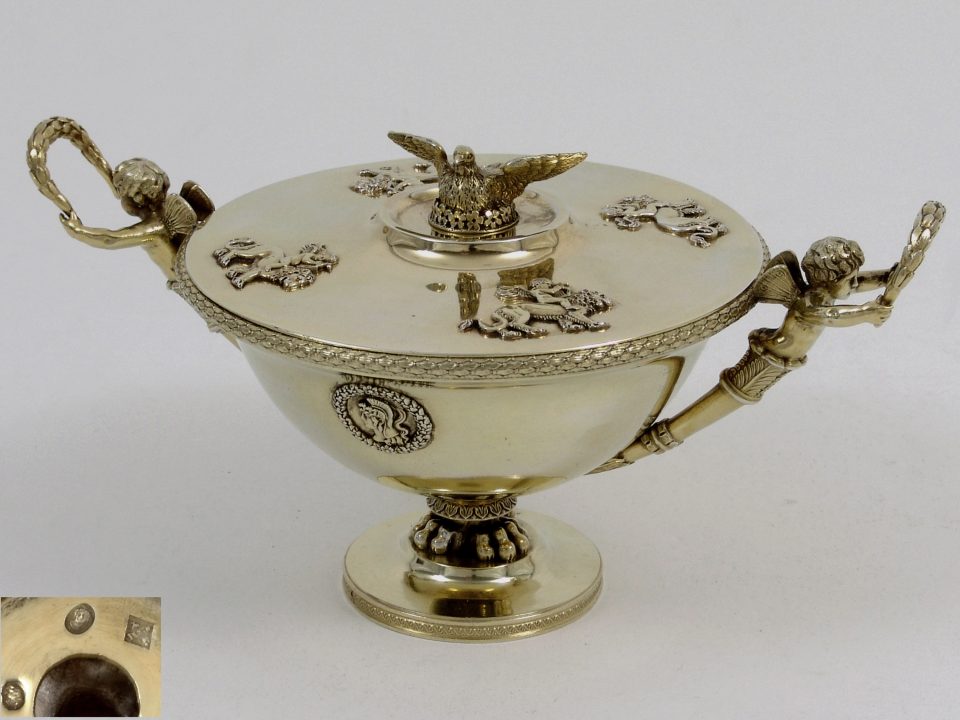
This French silver gilt bowl with cover comes from the directoire period – transitional period from the Louis XVI to Empire style. Made in Paris by Hache....
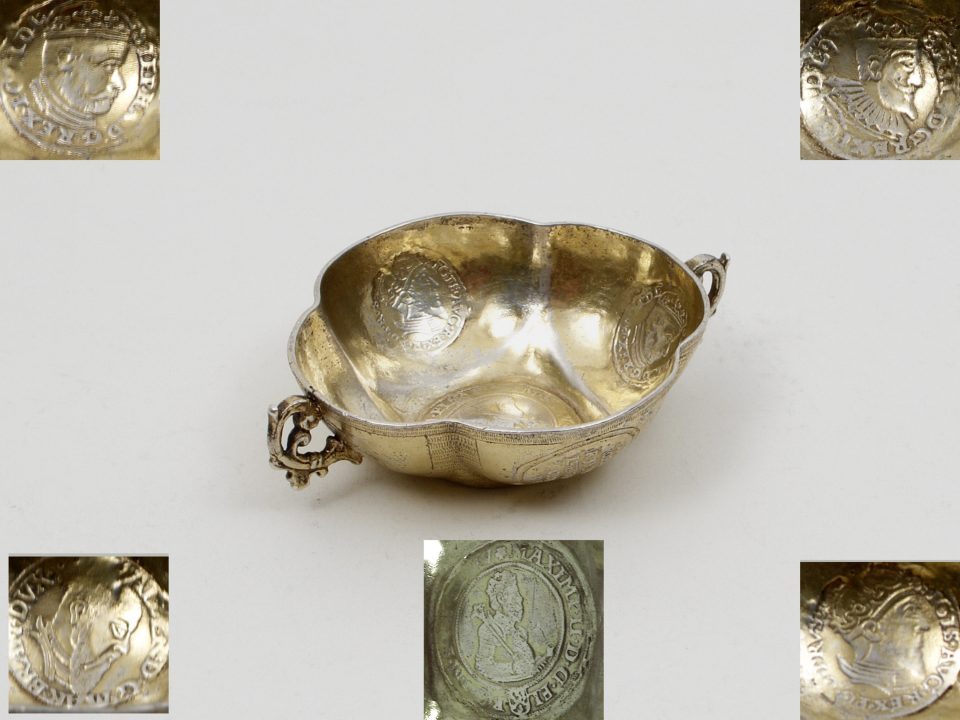
The present, silver-gilt German drinking bowl is with inset coins of Polish dukes and earls. The drinking bowl was often used for drinking wine or brandy....
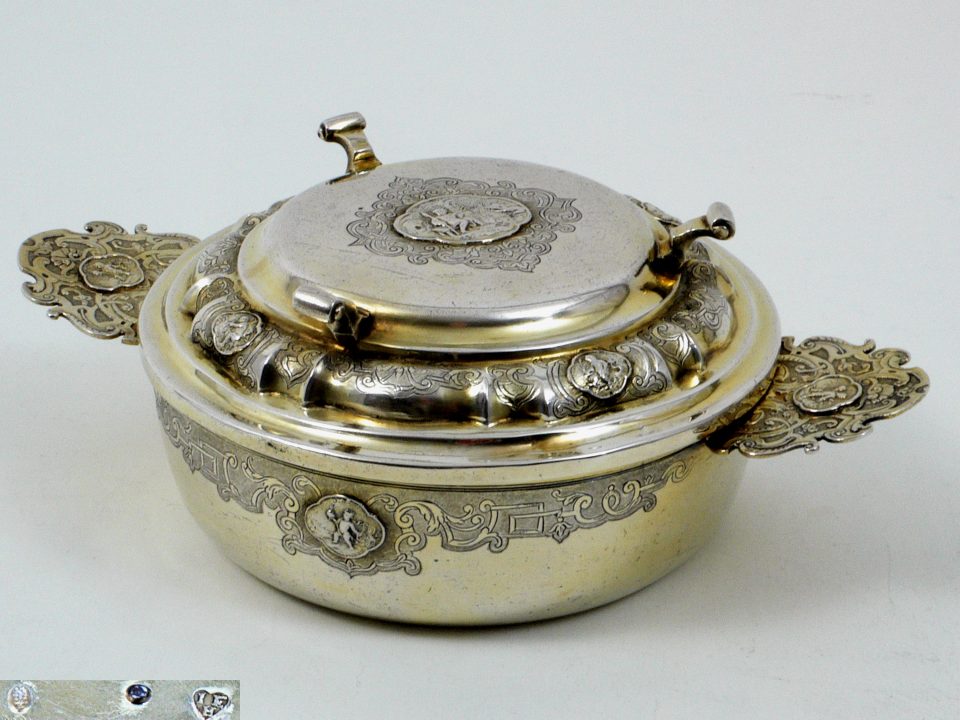
This silver gilt porringer with cover (écuelle) from Augsburg is an excellent example of the Régence style in the 18th century. The maker is Johann Erhard II Heuglin....
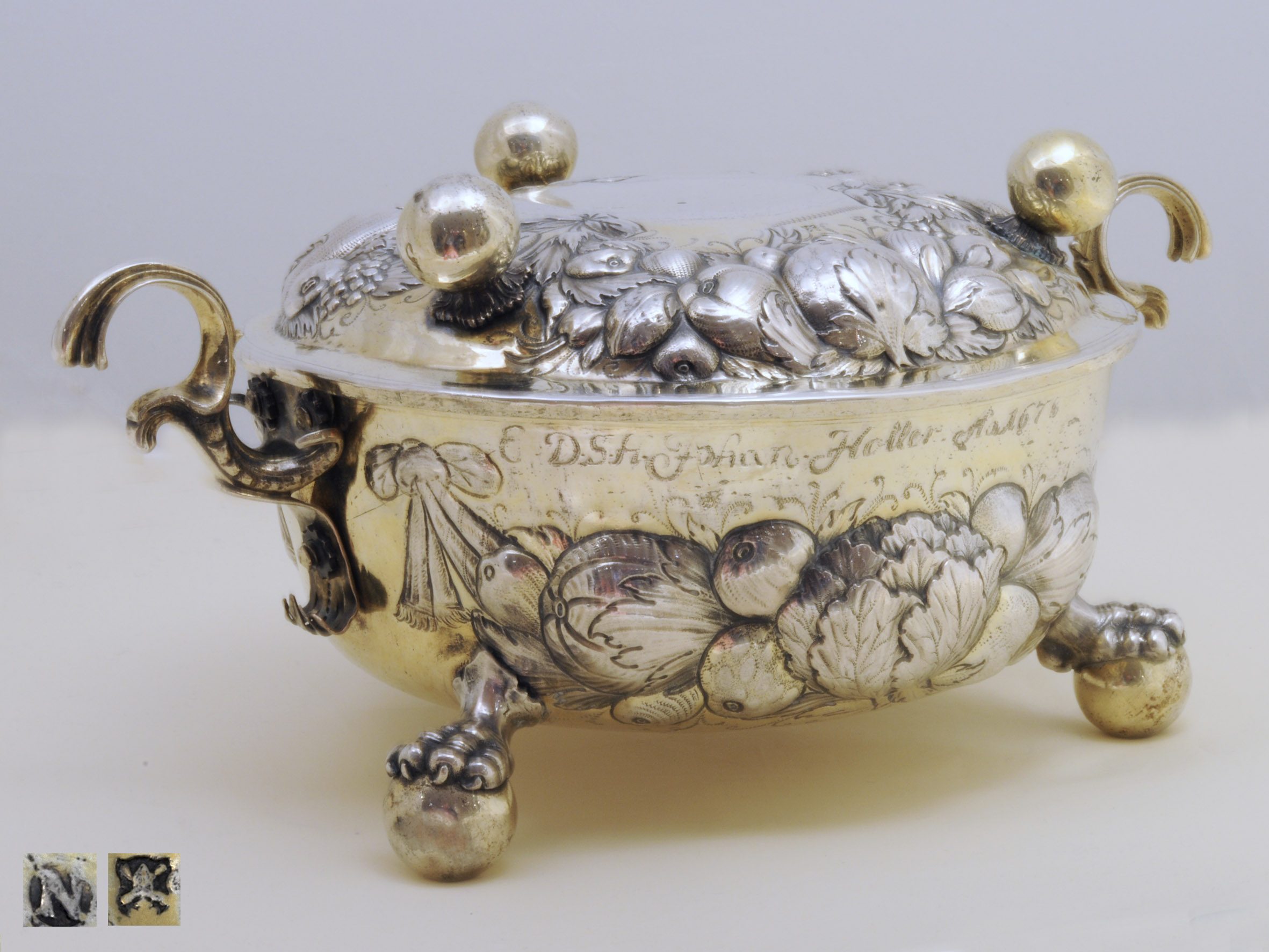
This silver, parcel-gilt two-handled bowl and cover, in German called “Wöchnerinnenschüssel“ has an (art) historical as well as utilitarian and symbolic value. It was made in Nuremberg, second half of the 17th century....
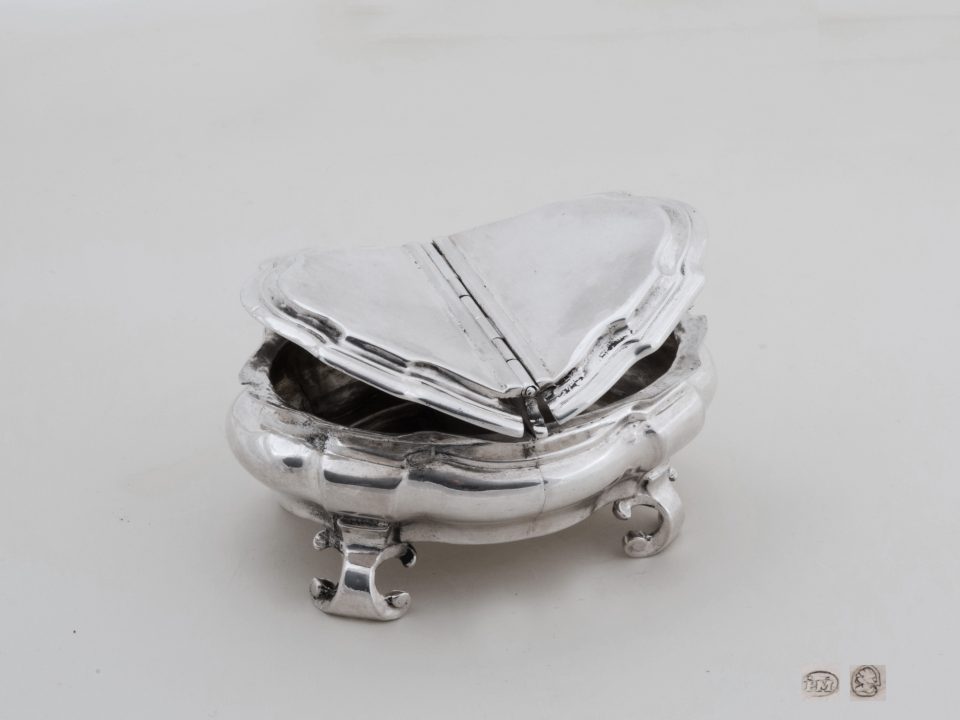
This baroque silver spice-box with two spice compartments and cover on four rocailles feet from Augsburg around 1700 is made by Johann Heinrich Mannlich....
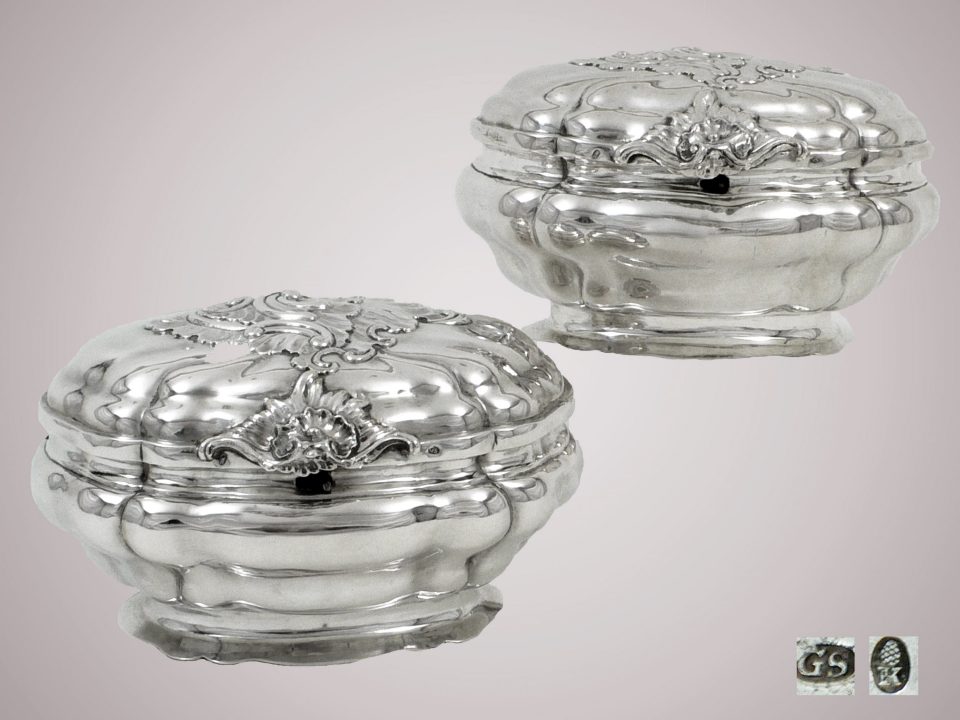
This pair of graceful silver boxes presents a very fine object of rococo from Augsburg. The bulging form of the box is through flowing embossed decoration with elegant gadroons adorned....