

Object Number #
Dresden, 1745-1746
Master: Christian Heinrich Ingermann,
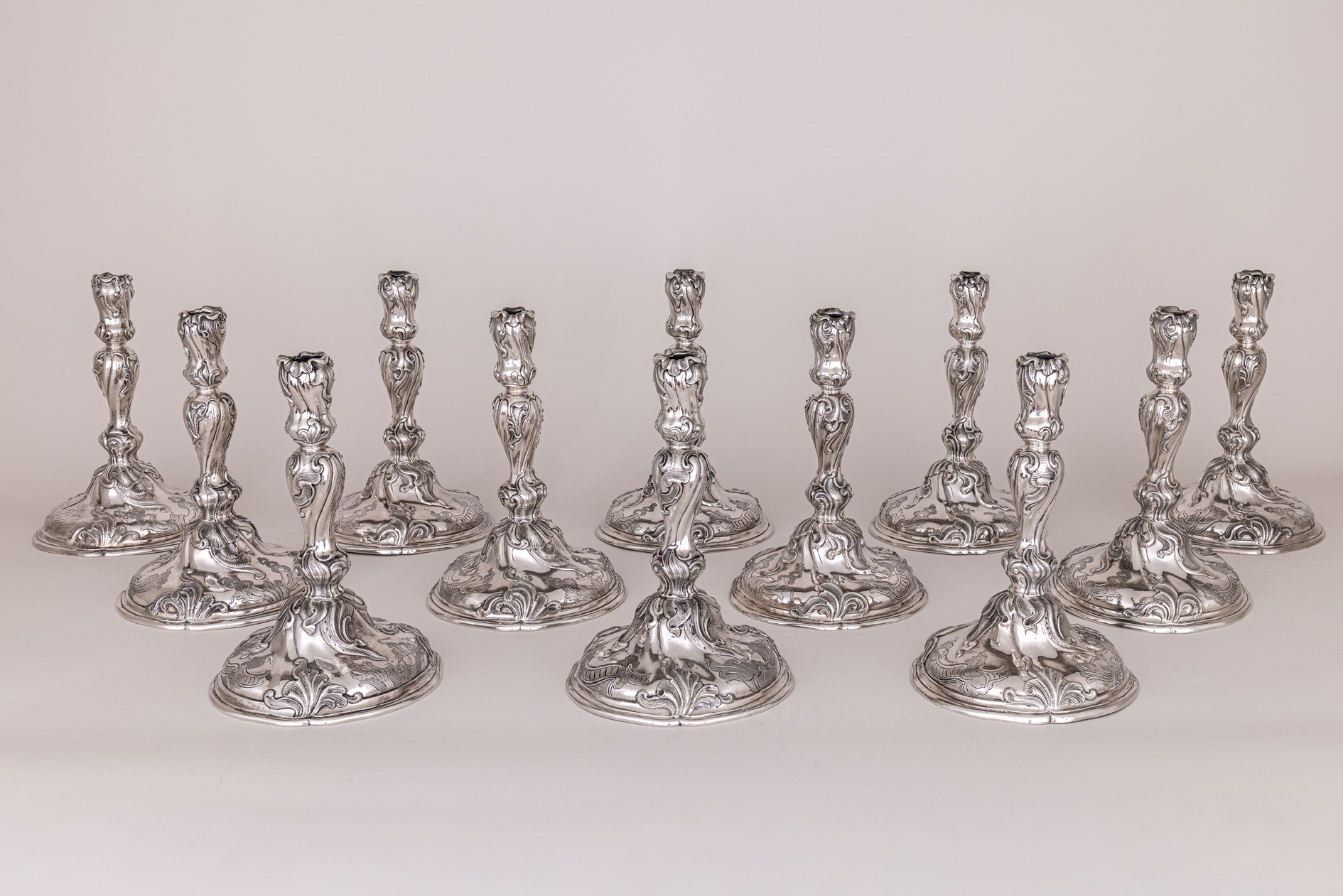
Height: 24 cm (9 ½ inches); Weight: 10700 g (344 oz.)
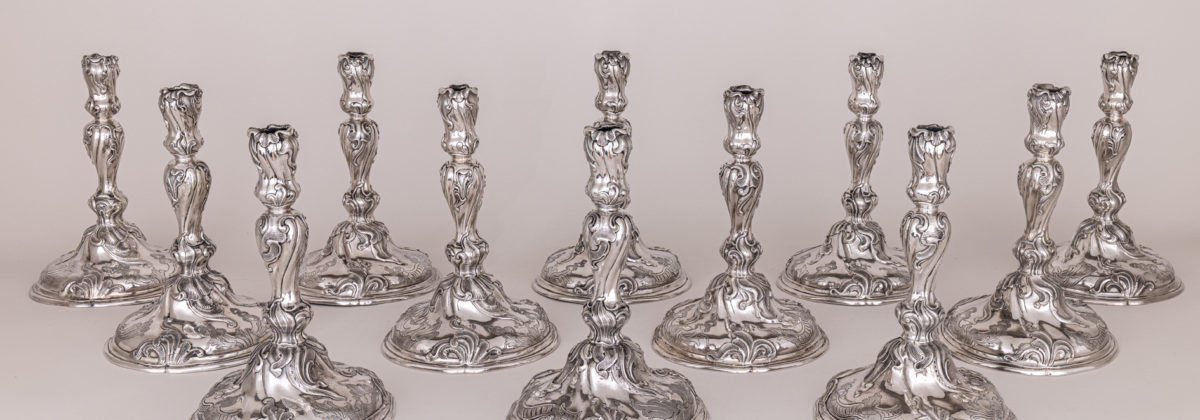
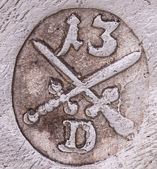
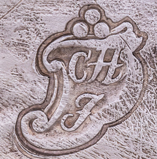
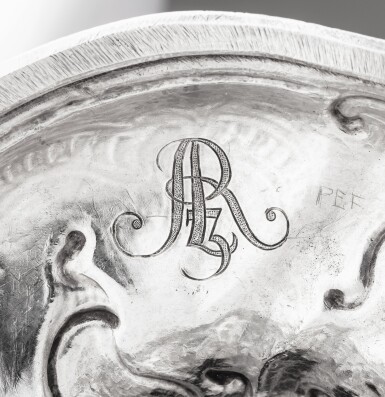
The round base is adorned with leaf ornaments, Rococo motifs and shells, which are repeated on the shaft. Each shaft is engraved with the initials ‘AR3’ and numbered 45, 46, 47, 48, 50, 51, 57, 58, 85, 86, 93 and 97, and bears the mark of the city and the silversmith No 58 without stamps
Prov. Augustus III, King of Poland and Elector of Saxony (1696-1763), thence by decent (recorded in the Royal inventories until 1882),
probably sold by the Saxon Royal (Wettins) family after 1918,
Candlesticks nos. 46 and 48: Christie’s, New York, Property of a West Coast Collector, 17 April 1996, lot 41,
Candlestick nos. 40, 51, 57 and 58: Sotheby’s, Zurich, The distinguished collection of a lady, 9 December 1997, lot 328,
Candlesticks nos. 45 and 47: Christie’s, New York,
The personal property of Marilyn Monroe, 20 October 1999, lot 123
Candlesticks 85, 86, 95 and 97: Private German collection
August III (1696–1763), King of Poland, Grand Duke of Lithuania and Elector of Saxony (as Frederick Augustus II), was the only legitimate son of Augustus the Strong. To consolidate his position on the European stage, he arranged strategic marriages for his children. In 1738 his daughter Maria Amalia married Charles VII, King of Naples, the future Charles III of Spain. Nine years later, negotiations over three marriages proved crucial for the Wettin family. In January, Marie-Josèphe (1731–1767) was married in absentia to Louis, the Dauphin of France (1729–1765), and in June a double marriage in absentia took place between Frederick Christian (1722–1763) and Maria Antonia of Bavaria (1724–1780) as well as between Maria Anna (1728–1797) and Maximilian III Joseph, Elector of Bavaria (1727–1777).
We have triumphed; the Lord and his lady [Madame de Pompadour] have taken our side. August III was delighted and accepted Pâris de Montmartel’s offer of assistance, to whom he presented a magnificent porcelain service. Duke Richelieu, the extraordinary envoy at the Dresden court, officially proposed for the princess’s hand on 7 January 1747, and the proxy wedding took place on 10 January. This union prompted numerous gifts and celebrations to honour the French guests and showcase the skills of the Dresden artisans. August III commissioned the renowned Meissen porcelain factory to create a figurine group depicting France and a temple – a reference to Versailles and the court. For the first time, porcelain replaced the sugar figures traditionally served with dessert, a custom that would later become very popular.
August III commissioned the court goldsmith Christian Heinrich Ingerman to create 100 silver candlesticks, described as ‘in the French style with twisted contours and foliage.’ These candlesticks were delivered on 31 December 1746 and are numbered and engraved with the monogram AR3 (for Augustus Rex III), as we can see on our candlesticks 45, 46, 47, 48, 50, 51, 57, 58, 85, 86, 93 and 97. To raise the funds for the commission, August III had numerous silver coins melted down from his silver chamber. Records show deliveries of ‘old silver’ from previous services on 6 and 7 April 1744 and on 23 July 1745, in November 1745, and in March and April 1746. According to O’Bryn, the total cost of the commission amounted to over 12,750 Reichsthaler. Following a property regulation, the contents of the Saxon silver chamber passed into the personal possession of the Wettin family after 1918, and many pieces were sold
Unfortunately, in the Dresden Main State Archive, only the inventory lists for gold and vermeil items from the years 1882-1932 have been preserved, the sections on silverware are missing.
Pictures
Detailed Description
Detailed information